Tim Cook’s Apple: Operational Mastery, Strategic Restraint—and the Cost of Playing It Safe
Bye Tim, thank you. Time for a change. Many changes. More than ever, I’m hopeful for the future.

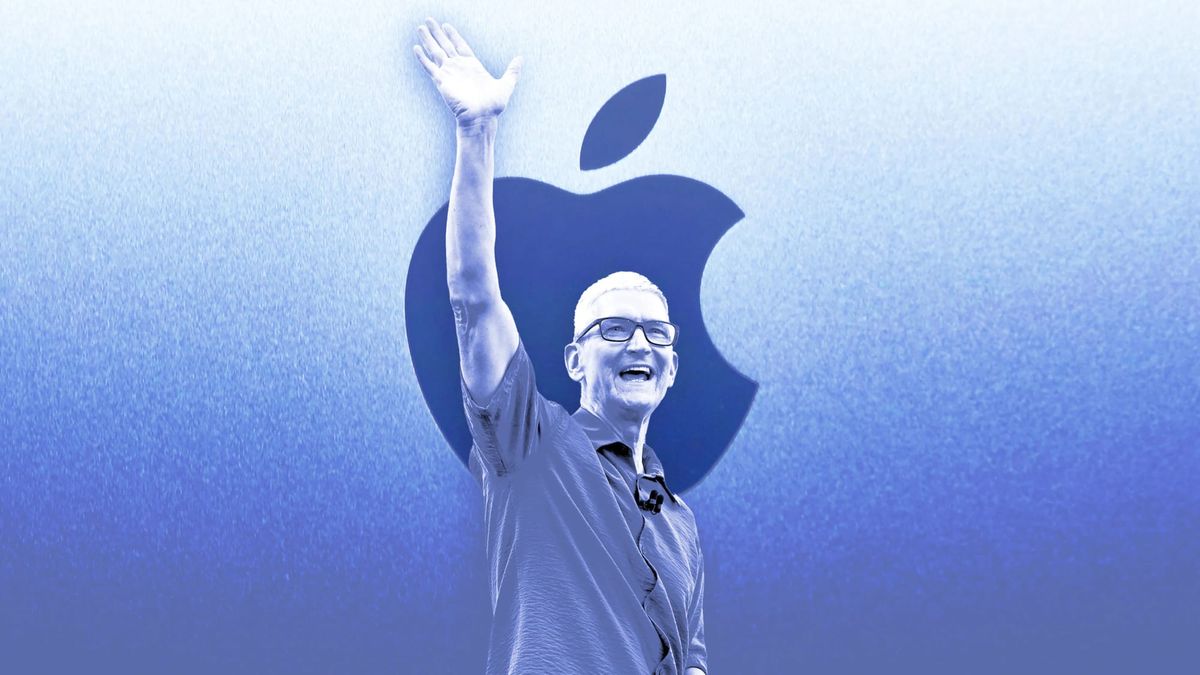
When Steve Jobs handed the reins of Apple Inc. to Tim Cook, the question was never whether Apple would change—it was how. Fifteen years later, the answer is clear: Apple didn’t lose its edge; it refined it into something far more disciplined, predictable, and scalable.
Cook’s tenure is best understood through the lens of execution. He transformed Apple into an operational powerhouse, optimizing supply chains, expanding margins, and building one of the most efficient global technology machines ever assembled. Under his leadership, Apple didn’t just grow—it became structurally resilient. The transition to Apple Silicon alone stands as a masterclass in long-horizon planning and vertical integration.
But operational excellence is only part of the story.
Critics often argue that under Cook, Apple became more incremental, less daring. There’s some truth to that. The company’s product cadence shifted toward iteration rather than disruption, and its communication style moved away from bold vision toward measured positioning. Whether that’s maturity or caution depends on your perspective.
The now-abandoned Apple Car initiative illustrates this tension. On one hand, it was a rational exploration into a massive adjacent market aligned with Apple’s strengths in hardware, software, and integration. On the other, the project appeared to suffer from shifting objectives and prolonged uncertainty. Billions were spent without a tangible product outcome—a rare visible miss for a company known for focus.
Yet even here, the critique should be precise. The issue wasn’t that Apple explored the space; it’s that the effort lacked a stable thesis long enough to execute decisively. In frontier domains, failure is often the price of ambition. The real question is whether that ambition is channelled effectively.
Another, more contentious dimension of Cook’s leadership lies in his navigation of politics, particularly regarding U.S. leadership and global regulatory pressures. Cook has often positioned himself as a pragmatic diplomat, maintaining working relationships across administrations, including that of Donald Trump, while publicly advocating for issues like privacy, immigration reform, and environmental responsibility.
That balancing act, however, has not been without criticism. At times, Apple’s posture can appear selectively principled—forceful on privacy branding, yet more cautious when core business interests such as supply chain exposure, tariffs, or market access are at stake. The optics of engaging closely with political power while maintaining a carefully curated public stance can create tension, especially for a company that positions itself as values-driven.
To be clear, this is not unique to Apple; it’s the reality of operating at global scale. But it does raise a legitimate question: is Apple shaping policy from a position of principle, or adapting to it from a position of necessity?
Cook’s Apple tends to err on the side of control. It avoids premature launches, protects margins, and prioritizes ecosystem coherence. This has produced extraordinary financial results and sustained relevance at scale—but it can also limit the kind of bold narrative defining bets that once characterized the company.
In the end, judging Cook solely against the legacy of Jobs misses the point. They operated in different contexts, with different constraints, and delivered different kinds of success. Cook didn’t reinvent Apple; he industrialized it.
The more nuanced assessment is this: Tim Cook’s tenure represents one of the greatest operational achievements in tech history, coupled with a more conservative strategic posture, and a pragmatic, sometimes ambiguous approach to power. Whether those trade-offs were necessary or limiting will likely define how this era is remembered.
I’m not alone in reacting to the announcement of leadership change at Apple. I really liked Om Malik’s take on it. Oh, and I wrote The Rotten Side of Tim Cook’s Apple. It was in 2020. A lot has changed since then. I wonder what the new priorities are under John Ternus’ leadership.